
Slot machines operate on a balance between probability, volatility, and randomness, governed by random number generators (RNGs). High-volatility slots offer large but infrequent payouts, while low-volatility slots provide smaller, more regular wins. Jackpot systems, particularly progressive jackpots, alter this probability. Despite attempts to predict outcomes, modern slot machines are designed for fairness. Understanding volatility and mathematical principles is crucial for strategic decision-making in managing bankrolls. The concept of a "cold" slot machine, characterized by reduced payouts, involves complex factors influenced by game theory, player interactions, and technological advancements. Staying informed about industry standards and trends is key to navigating the evolving slot machine landscape.
Slot machines, a staple in casinos worldwide, have fascinated and frustrated players for decades with their seemingly random outcomes. One perplexing phenomenon is the concept of “going cold,” where a once-profitable machine suddenly becomes unproductive. Understanding why this occurs is vital for both casual and seasoned players seeking to optimize their gambling experiences. This article delves into the intricate mechanisms behind slot machine behavior, offering insights that could help demystify these captivating yet unpredictable devices. By exploring the factors influencing their performance, we aim to provide valuable knowledge for navigating the realm of slot machines.
- Understanding Slot Machine Probability and Randomness
- The Role of Volatility in Slot Machine Behavior
- How Paylines and Reels Impact Machine 'Cold' Periods
- Player Interaction: Its Effect on Slot Machine Performance
- Casino Strategies for Managing 'Cold' Machines
- Technological Advances and Slot Machine Cooling Patterns
Understanding Slot Machine Probability and Randomness
Slot machines, despite their seemingly random nature, operate on a complex interplay of probability and randomness. Understanding these fundamental concepts is crucial in comprehending why slot machines can sometimes seem to “go cold,” or have prolonged periods of low payouts. The core math behind problem gambling and slots involves calculating expected returns, which are influenced by volatility levels—a measure of the dispersion of slot machine jackpots.
Volatility levels dictate how frequently a slot machine pays out prizes relative to its average payout amount. High-volatility machines tend to have larger, more infrequent payouts, while low-volatility machines offer smaller, more regular wins. Jackpot systems further complicate this dynamic, with progressive jackpots increasing the potential for significant payouts but also altering the overall probability of winning at any given spin. For instance, a slot machine’s programming might dictate that it returns an average of 95% of all bets over time, but individual sessions can deviate significantly from this norm.
While some players attempt to predict these fluctuations by tracking symbols or relying on superstition, the random number generators (RNGs) used in modern slots ensure true randomness, making such strategies futile. The ‘low risk’ approach many players adopt is often based on misconceptions about slot machine probability. For those concerned with minimizing losses, it’s important to understand that all bets carry inherent risks. Visiting us at Network Jackpots can provide deeper insights into these math principles and help players make more informed decisions regarding their gaming strategies.
The Role of Volatility in Slot Machine Behavior
The behavior of slot machines is often shrouded in mystery, with players frequently pondering why a particular machine seems to be “hot” or “cold.” One critical factor influencing this phenomenon is volatility—a measure of the dispersion or variability in slot machine returns. Volatility plays a pivotal role in shaping the player experience and can significantly impact the perceived performance of a slot game.
In the realm of local vs. progressive slots, the former typically exhibits lower volatility, offering more stable but generally smaller wins over time. In contrast, progressive slots are known for their high volatility, promising life-changing jackpots but with more frequent and significant losses. Online slots developers often design games around these volatility levels, catering to diverse player preferences. For instance, a max bet of 1-3 times the base amount can be a strategic choice in high-volatility games, where players accept the risk of larger losses in exchange for the potential of massive gains.
Understanding volatility is essential for players looking to manage their bankroll effectively and make informed decisions. A player’s perception of a slot machine “going cold” might be a result of consecutive losses, which can be more pronounced in high-volatility games. However, this could also be an opportunity to reassess strategies, try different slots with varying volatility, or simply take a break, as gambling should always be approached with a healthy balance between entertainment and financial responsibility. To gain deeper insights and a comprehensive start-to-finish guide, give us a call.
How Paylines and Reels Impact Machine 'Cold' Periods

Slot machines, despite their seemingly random nature, are governed by intricate systems of mechanics and modern technology that play a significant role in their performance. When discussing why these machines sometimes go “cold,” or experience periods of reduced payouts, one crucial element to consider is the interaction between paylines and reels.
The layout of slot machine reels, along with the number of paylines they offer, can heavily influence the frequency and magnitude of winning combinations. In modern technology-driven slots, random number generators (RNGs) determine the outcome of each spin, but the design of these games still matters. Games with fewer paylines might hit more frequently, giving players a sense of constancy, while machines with higher payline counts often deliver wins in longer, cooler periods. This is not merely psychological; it’s a direct result of mathematical models and statistical probabilities built into the user interface.
Understanding the ‘cold’ periods is where the psychology of gambling intersects with game design. Players looking for tips and tricks to predict or influence these cycles may find some success in recognizing patterns. However, it’s essential to remember that slot machines are designed as random, fair games. Volatility, a measure of the potential fluctuations in payouts, is a key factor here—high volatility slots can lead to bigger wins but also longer dry spells. A player’s best strategy during these periods is to adjust their bet sizes accordingly and remember that every spin is an independent event, uninfluenced by previous outcomes.
Ultimately, while players may experience cold streaks, the house edge remains constant. The slot machine itself isn’t ‘going cold’; it’s simply operating according to its designed probabilities. Finding us at volatility analysis can offer deeper insights into these mechanisms and help players make more informed decisions when navigating the vast array of slot machine options available today.
Player Interaction: Its Effect on Slot Machine Performance
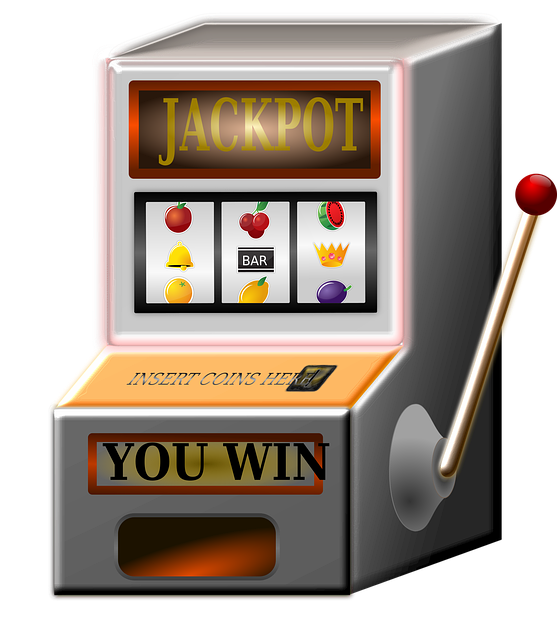
The concept of a slot machine “going cold” is rooted in the complex interplay between player interaction and the inherent randomness of these games. Slot machines are designed to be unpredictable, ensuring that each spin is an independent event. This randomization is a cornerstone of their appeal, creating an air of anticipation and excitement for players. However, the actions and decisions of individual players can influence the short-term outcomes of these machines in surprising ways.
Player interaction with slot machines extends beyond simply pulling the lever or pressing a button. Every bet, line selection, and feature activation contributes to a dynamic that affects the game’s immediate future. For instance, choosing to wager higher amounts per spin increases the volatility, potentially leading to bigger wins but also faster depletion of credits. Additionally, the use of bonus features, such as free spins or wilds, can disrupt the typical gameplay pattern. These actions can create periods where a slot machine appears to “cool down” or become less favorable for the player in the short term. It’s important to remember that slots are designed with built-in randomness, so these fluctuations are expected and do not reflect any inherent ‘hot’ or ‘cold’ status of the machine.
The concept of low-risk strategies, often bandied about in gambling circles, is more myth than reality when it comes to slot machines. While responsible gaming involves setting budgets and sticking to them, there’s no way to predictably influence a machine’s performance by adjusting bet sizes or choosing specific paylines. The random number generator (RNG) ensures that each spin is independent of the last, making patterns unlikely to repeat. For example, hitting a jackpot on a certain payline one session does not increase the odds of winning it again in the next. The only variable players can control is their own engagement and interaction with the machine, which primarily affects their overall gaming experience rather than the slot’s performance.
Understanding how slots work behind the scenes offers valuable insights into these seemingly fickle machines. The industry-standard payout percentage, as determined by independent testers, reflects the long-term average return a player can expect. This figure is crucial for players to be aware of, as it sets an expected threshold for potential gains and losses over time. For instance, a slot with a 95% payout percentage means that, on average, 95 out of every 100 credits wagered will be returned to players over numerous spins. Knowing this data allows patrons to make informed decisions and manage their expectations while enjoying the thrill of slot machine play.
Casino Strategies for Managing 'Cold' Machines
The concept of a ‘cold’ slot machine—a term derived from the gaming industry’s colloquialism for periods of reduced payouts—is a fascinating aspect of casino operations that has captivated both players and operators alike. While it might seem like an arbitrary phenomenon, understanding why slot machines exhibit these cycles involves delving into the intricate interplay between player protection game theory and the inherent randomness of these games. Casino strategists must navigate this landscape with a nuanced approach to manage expectations and ensure fair play.
One key factor contributing to the ‘cold’ behavior of slot machines is the concept of scatters, which are symbols that trigger bonus rounds or free spins. These features are designed to introduce volatility into the game, adding an element of surprise for players. However, their unpredictable nature can lead to periods where certain machines appear less generous, creating the perception of a ‘cold’ machine. Casino operators employ sophisticated tracking systems to monitor these patterns, allowing them to identify machines that may require adjustments or maintenance. For instance, a study by the Nevada Gaming Control Board revealed that slot machines with higher volatility often experienced more significant fluctuations in their payout rates over time.
Managing ‘cold’ machines involves a delicate balance between maintaining player satisfaction and adhering to regulatory standards. Casino strategists utilize advanced analytics and player tracking systems to identify trends and adjust game configurations accordingly. This may include adjusting the frequency of bonus rounds, modifying pay tables, or even replacing machines with different random number generators. The art lies in ensuring that while some games might be less generous at any given moment, players still perceive fairness and value in their overall gaming experience. For instance, a casino could implement dynamic pricing strategies, offering higher jackpots during peak hours to encourage play while providing incentives for loyal regular visitors during off-peak times.
To stay ahead of the curve, casinos should consider leveraging the insights gained from player protection game theory. This involves continuous monitoring and adaptation, ensuring that slot machines remain engaging and fair. For those seeking expert guidance on slot machine repair or optimization, looking no further than jackpot odds slot machine repair is a strategic step. Their team of specialists offers not just technical expertise but also a deep understanding of the gaming landscape, enabling casinos to navigate these ‘cold’ periods effectively and foster a vibrant gaming environment.
Technological Advances and Slot Machine Cooling Patterns
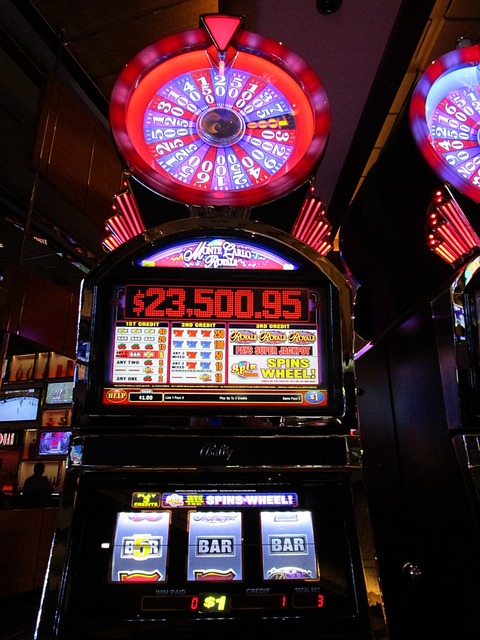
The concept of a slot machine “going cold” has fascinated both players and industry experts for decades. While traditionally attributed to mere luck or the fickle nature of chance, modern technological advances have shed light on more nuanced factors influencing these machines’ performance. One key aspect often overlooked is the intricate relationship between technology and the cooling patterns observed in early machines, which continues to shape slot predictions even today.
Historically, early slot machines operated with mechanical components, generating heat from constant motion and electrical components. This physical warmth could significantly impact machine behavior, leading to periods of reduced efficiency or, as perceived by players, “cold” streaks. As technology evolved, digital slots introduced sophisticated algorithms and random number generators (RNGs), seemingly eliminating the reliance on mechanical cooling. However, these advancements also brought new variables into play. The behavioral aspects of slot predictions have become more complex, factoring in player interactions, bet patterns, and even the psychological impact of winning or losing streaks.
Modern slot machines employ sophisticated software that adapts to various playing scenarios, adjusting odds and payouts accordingly. This adaptability can create an illusion of predictability while, in reality, it’s a dynamic ecosystem influenced by numerous variables. For instance, a player’s decision to increase bet sizes might trigger a temporary adjustment in the machine’s algorithms, leading to altered slot predictions. Understanding these intricate technological advancements is crucial for both players and operators, as it highlights the importance of regular maintenance and updates to ensure fair play and optimal performance.
To gain deeper insights into these cooling patterns and slot predictions, professionals recommend staying informed about industry standards and keeping up with technological trends. Give us a call at Visual Appeal to explore more advanced strategies tailored to your needs, ensuring you’re equipped to navigate the ever-evolving landscape of slot machine technology.
Through a comprehensive exploration of various factors influencing slot machine performance, this article has illuminated critical insights into why these machines can experience periods of being “cold.” By delving into randomness, volatility, payline configurations, player interaction, casino management strategies, and technological innovations, we’ve uncovered the intricate dynamics at play. Key takeaways include understanding that volatility is a primary driver of seemingly random ‘cold’ streaks, while player engagement significantly impacts machine behavior. Technological advancements in slot machines are also reshaping cooling patterns. Casino operators are encouraged to adopt strategic management approaches, balancing game appeal with responsible deployment, to optimize both player experience and house edge. Readers now possess a deeper understanding of the multifaceted nature of slot machine performance, empowering them to navigate the gaming floor with enhanced awareness and informed decision-making.