
Slot machines vary with progressive and non-progressive jackpots. Progressives offer growing prizes with higher risk, while non-progressives have fixed, predictable jackpots. Understanding mechanics, probability, and house edge is crucial for strategic play and responsible gambling. Personal preferences and risk tolerance guide choice between high-risk/reward progressives or more secure non-progressives. Each spin is independent; setting goals helps manage risk in progressives. Balancing thrill and control offers optimal Slot Machine experience.
In the vibrant landscape of gaming, slot machines stand as iconic pillars, drawing players with their allure and promise of fortune. Yet, amidst the spinning reels and glowing lights, a crucial distinction lurks: progressives vs. non-progressives. Understanding this dichotomy is paramount for both casual enthusiasts and seasoned gamblers seeking optimal experiences. This article delves into the intricacies of these two slot machine variants, elucidating their unique mechanics, implications, and strategies, empowering players to navigate the virtual casino floor with informed prowess.
- Understanding Slot Machines: Basics and Mechanics
- Progressive vs. Non-Progressive Jackpots Explained
- Game Dynamics and Player Experience Differences
- Strategies and Considerations for Smart Play
Understanding Slot Machines: Basics and Mechanics
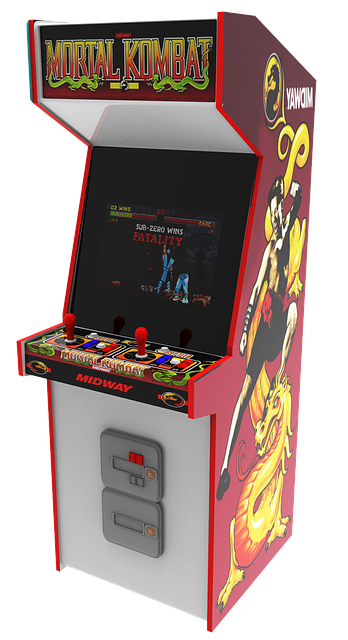
Understanding Slot Machines: The Basics and Beyond
Slot machines, a staple in casinos worldwide, have evolved significantly with the advent of online slots. At their core, slot machines are simple: three or more reels spin, and players aim to align symbols for wins. However, beneath this facade lies a complex web of mechanics that differentiate progressive and non-progressive games. Non-progressive slots, often local to a single casino, offer fixed jackpots, making each spin independent of previous results. This simplicity makes them accessible but limits potential payouts. In contrast, progressive slot machines pool player bets across multiple casinos or games, generating massive, life-changing jackpots. The math behind these games is crucial; with probability theory and expected value calculations, players can make informed decisions. For instance, while non-progressives provide frequent smaller wins, progressives reward patience with rare but substantial payouts.
The local vs. progressive dichotomy extends to online slots, where platforms like ours offer both. Online slots allow players to access a vast array of themes and features from the comfort of home. The mechanics remain similar, but the potential for large-scale jackpots through progressive networks adds an exciting layer of strategy. However, problem gambling math becomes relevant here; responsible play is paramount, as the allure of massive wins can lead to poor decisions.
To optimize wins, whether in a brick-and-mortar casino or online, players should understand the slot machine features that enhance their experience. Free spins, bonus rounds, and expanding wilds are examples of such mechanics. Each adds diversity and potential for higher payouts. Remember, while maximizing wins is desirable, enjoying the game and understanding its dynamics are equally important. By embracing these insights, players can make informed choices, ensuring a more satisfying slot machine experience. Find us at [optimizing wins] for personalized strategies tailored to your preferences and budget.
Progressive vs. Non-Progressive Jackpots Explained

When it comes to slot machine strategies, understanding the difference between progressive and non-progressive jackpots is paramount. Let’s dissect these two concepts to empower players with knowledge, enhancing their gaming experience. Progressive jackpots, a standout feature in many slot machines, offer a growing prize pool funded by a percentage of each bet. This creates an exciting dynamic where the potential payoff increases over time, attracting players seeking life-changing wins. Conversely, non-progressive slots have fixed jackpots, typically offering lower amounts but with more predictable outcomes.
The allure of progressive jackpots lies in their ability to transform ordinary bets into extraordinary payouts. Slot machine odds vary significantly between progressive and non-progressive games. Progressives often present lower base payoffs but with the promise of massive bonanzas, making them riskier yet potentially more rewarding. Probability theory plays a crucial role here; while the chances of triggering a progressive jackpot remain relatively low, the potential payoff dwarfs traditional wins. Feature triggers in progressives are usually random, occurring 1-3 times per game, adding to the thrill and unpredictability.
Non-progressive slots provide a more conventional experience. With fixed jackpots, players know exactly what they can expect. This consistency appeals to those seeking a measured gaming experience without the risk of massive fluctuations. However, non-progressive slot machine odds are generally less favorable compared to their progressive counterparts. Despite this, these games offer a sense of security and can be an excellent choice for players who prioritize smaller, more frequent wins over life-changing payouts. For instance, a non-progressive jackpot of 100x your bet still delivers substantial returns, albeit in a more predictable manner.
To maximize your slot machine experience, consider your risk tolerance and financial goals. If you’re after the allure of progressive jackpots, be prepared for the ups and downs. Non-progressives offer a steadier ride but with potentially lower peaks. Remember, the house edge remains consistent across both types, so responsible gaming is paramount. For tailored advice and the latest promotions, give us a call at Promotions to enhance your slot machine journey even further.
Game Dynamics and Player Experience Differences
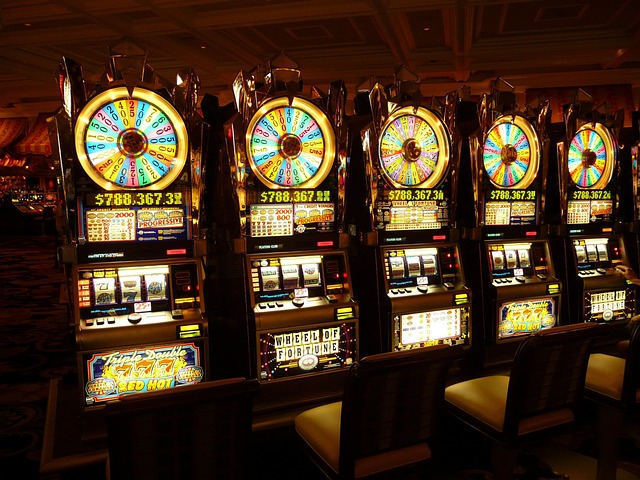
The dynamics of slot machine gameplay differ significantly between progressive and non-progressive (non-progressives) games. At their core, these differences revolve around the experience players have while engaging with each type. Progressive slots, characterized by their ability to grow jackpots over time, offer an intriguing element of anticipation and potential life-changing wins. This feature attracts players who seek the thrill of pursuing substantial rewards that can be life-altering. For instance, consider the allure of hitting a progressive jackpot on a $1 bet, transforming a modest investment into a massive payout—a dream scenario for many enthusiasts.
In contrast, non-progressive slots provide instant gratification and predictable outcomes. These games offer set paytables with fixed jackpots, allowing players to understand their potential wins from the outset. While non-progressives might not offer the same level of excitement as their progressive counterparts, they appeal to players who prefer a more calculated approach, where the focus is on understanding probabilities and making informed decisions based on expected returns. For example, a 5-reel, 20-payline slot with wild symbols and bonus rounds can be highly engaging without the variable jackpot element.
When choosing between progressive and non-progressive slots, players should consider their personal preferences and risk tolerance. Progressive machines cater to high-risk, high-reward enthusiasts seeking that once-in-a-lifetime hit. Non-progressives, on the other hand, offer a more secure platform for players who value consistency and control over their gaming experience. To make informed decisions, it’s crucial to understand the house edge, which can vary between game types. As a rule of thumb, progressive slots tend to have slightly higher edges due to the added jackpot component, but many reputable online casinos offer fair games with well-regulated jackpots, ensuring players get a reasonable chance at winning. Visit us at [house edge context] for more insights into optimizing your slot machine experience.
Strategies and Considerations for Smart Play
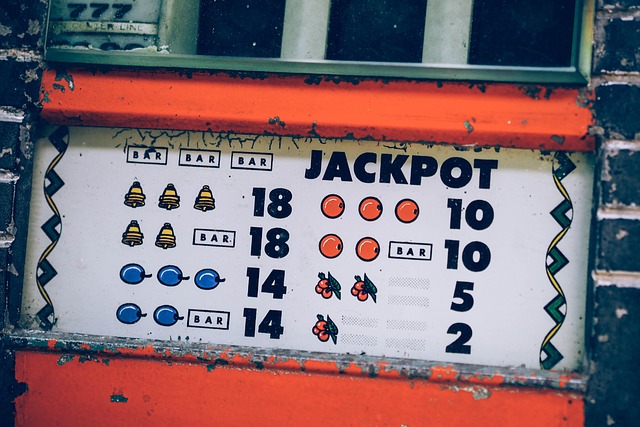
When it comes to slot machine play, understanding the difference between progressive and non-progressive machines is a strategic edge. This knowledge allows players to make informed decisions, tailoring their approach based on desired risk levels and potential rewards. Progressive slots, with their accumulating jackpots, allure players with life-changing sums, but they require patience and an understanding of odds. Non-progressive machines, while offering lower payouts, provide more consistent results, making them ideal for those seeking frequent wins.
Smart play strategies for slot machines involve recognizing that every spin is independent of the previous one. This fundamental concept is often overlooked; players may fall into the trap of expecting “due,” believing a recent series of losses will be followed by a win. How slots work in terms of probability does not change with each play, so maintaining a cool head and adhering to a predetermined budget is crucial. For instance, consider a non-progressive fruit machine where wins occur on average once every 100 spins. Expecting a win after just 50 spins due to “fruits owing” can lead to poor financial decisions.
A key consideration for progressive machines is the concept of odds against winning the jackpot. The probability remains constant, but the potential payoff increases with each contribution from players. This creates an allure that can be risky if not approached strategically. To mitigate risks, set specific goals and limits before playing. For example, a player might decide to chase the progressive jackpot up to a certain amount contributed, then switch to non-progressive play for more frequent wins. This balanced approach ensures players enjoy the thrill of progressives without exposing themselves to excessive risk.
Ultimately, success in slot machine play lies not only in understanding how slots work but also in adopting flexible strategies. Non-progressive machines offer consistent entertainment and smaller wins while progressive slots promise life-altering rewards with each spin. Finding the right balance between these two types can lead to a more enjoyable, low-risk gaming experience. For expert advice tailored to your preferences, remember, our team is always available at [low risk] to guide you through the vast world of slot machines.
In understanding Slot Machines, particularly the distinction between progressive and non-progressive jackpots, players can make informed decisions to enhance their game dynamics and player experience. Key insights reveal that progressives offer accumulated prizes that can grow into substantial sums, creating a unique anticipation and excitement. Conversely, non-progressives provide immediate, fixed payouts. The article underscores the importance of strategies tailored to each type, emphasizing responsible play for maximizing enjoyment without compromising financial security. By recognizing these differences and adopting suitable approaches, players can navigate slot machine options more effectively, ensuring a rewarding and strategic experience in the ever-popular game.