
The concept of "cold" slot machines is a misconception based on misunderstanding randomness. Slot machines use algorithms ensuring each spin is independent with equal win chances, governed by return-to-player (RTP) ratios. Psychological factors influence players' perceptions of hot or cold machines. To optimize wins, understand probability calculations, manage bankrolls, and track statistics. Past performance doesn't guarantee future outcomes; every spin is random. Responsible betting strategies and understanding game mechanics enhance slot machine experiences.
In the world of gambling, slot machines hold a prominent place, yet their unpredictable nature often leaves players wondering: why do they seem to go cold at seemingly random intervals? This age-old question has perplexed both enthusiasts and professionals alike. The truth is, while luck plays a significant role, understanding the underlying factors that influence a Slot Machine’s performance is crucial for informed strategies. This article delves into the intricate dynamics of slot machine behavior, offering valuable insights to demystify their ‘cold’ spells and equip players with enhanced knowledge for their next spin.
- Understanding Slot Machine Randomness
- The Role of Probability in 'Slot Machine Cold' Phenomena
- Mechanical vs. Electronic Machines: Differences and Effects
- Programmed vs. Random Slots: Unraveling the Myth
- Factors Influencing Slot Machine Outcomes
- Strategies vs. Luck: Navigating Slot Machine Expectations
Understanding Slot Machine Randomness
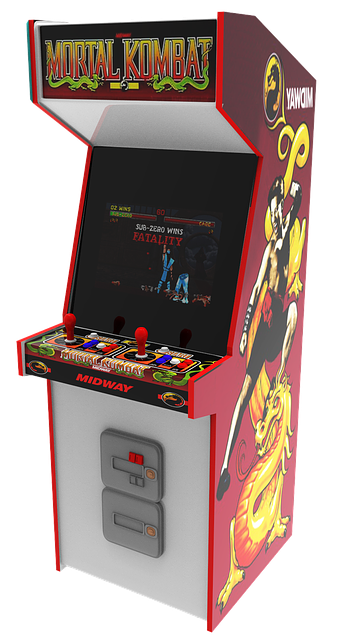
The concept of a “cold” slot machine is often shrouded in mystery, but it primarily stems from the public’s lack of understanding of randomness in these games. Slot machines are designed to be completely random, ensuring that each spin is independent and has an equal chance of resulting in a win. This randomization process forms the very foundation of their fairness and unpredictability. Despite modern technology’s ability to simulate numerous outcomes almost instantly, the outcome of any given spin remains solely based on chance.
The slot machine odds are set by sophisticated algorithms that dictate the frequency and value of winning combinations. These machines are programmed to pay out a certain percentage of bets over time, known as the return-to-player (RTP) ratio. For example, a slot game with an RTP of 96% means, on average, the machine will return 96 cents for every dollar bet. This ensures that while winning combinations occur regularly enough to keep players engaged, the house edge remains in favor of the casino. The psychological aspect of gambling further complicates perceptions of “hot” or “cold” machines. Players often fall into the trap of thinking a slot has gone cold because they’ve had a losing streak, but this is purely a matter of chance and not indicative of any change in the machine’s programming.
To manage expectations and maximize enjoyment, players should embrace the unpredictability of slot machines. Using strategies that focus on managing bankrolls and understanding paytables can help. For instance, setting a budget for each session and sticking to it is a crucial slot machine strategy. Additionally, keeping track of wins and losses allows players to identify patterns, although any perceived “hot” or “cold” streaks are more likely attributable to chance and the psychology of gambling than any inherent change in the machine’s performance. Give us a call at [NAP/brand] for expert advice tailored to your slot machine experience.
The Role of Probability in 'Slot Machine Cold' Phenomena

The concept of a “cold” slot machine is often shrouded in mystery and speculation among both players and industry experts. At its core, the idea suggests that slot machines, like any random event, undergo periods where their outcomes deviate from expected patterns. This phenomenon can be attributed to the intricate interplay between probability and human perception. In the world of slot machines, probability calculations govern every spin, dictating the likelihood of winning combinations. Over time, these probabilities fluctuate, creating an illusion of “hot” or “cold” machines.
Sound effects and casino marketing strategies further complicate this matter. Emotive audio cues designed to enhance the gaming experience can trick players into associating specific machines with positive outcomes, even if those outcomes are purely random. Similarly, strategic placement of slot machines within a casino and targeted promotions can sway players’ perceptions, making them more inclined to believe in a machine’s “hotness” or “coldness.” For instance, a high-traffic area with recent big wins might attract more players, creating an impression of consistent success for that particular machine.
To optimize wins and maximize returns, especially when max betting, understanding these probabilities is crucial. While there’s no foolproof method to predict a slot machine’s behavior, keeping track of individual machine statistics (if available) and adjusting strategies accordingly can enhance your chances. For example, identifying machines with lower than average payback percentages might indicate a higher “cold” likelihood. However, it’s essential to remember that every spin is an independent event, and past performance doesn’t guarantee future outcomes. Give us a call at [probability calculations] for personalized guidance on navigating these intricate probabilities and bonus games for optimal gaming experiences.
The key lies in recognizing the inherent randomness of slot machines and utilizing tools like pay-out percentage data and strategic adjustments during play. By embracing this understanding, players can make informed decisions, ensuring they enjoy the game without succumbing to misconceptions about “hot” or “cold” machines.
Mechanical vs. Electronic Machines: Differences and Effects

Slot machines, a staple of casinos worldwide, have fascinated players for decades. Understanding why they seemingly “go cold” at times is crucial for both casual and dedicated enthusiasts. The phenomenon can be attributed to the fundamental differences between mechanical and electronic slot machines. Mechanically, these devices rely on physical reels, cogs, and gears to determine outcomes, while electronically driven slots use random number generators (RNGs) and complex algorithms. This distinction plays a significant role in how players interact with and perceive these games.
The visual appeal of slot machines often masks the intricate workings behind each spin. Mechanical machines, with their visible mechanics, offer a tangible experience, allowing players to witness the intricate interplay of parts when a combination aligns for a win. In contrast, electronic slots present a more abstract experience, as symbols and graphics are generated digitally. This shift in presentation can impact player engagement and expectations. For instance, some studies suggest that mechanical slots may evoke a sense of control over fortune, while electronic versions, with their seemingly random and instant results, can create a different psychological response.
Moreover, the strategies players employ differ between these two types. In mechanical slots, understanding the machine’s internal workings could provide insights into potential patterns. However, electronic machines, with their complex RNGs, make such prediction nearly impossible. This randomness is designed to ensure fairness and maintain the integrity of the games. To maximize returns in either format, players should focus on responsible betting strategies, managing their bankroll effectively and exploring diverse betting options. For example, understanding jackpot symbols and their appearances across reels can enhance visual analysis in both mechanical and electronic slot machine formats.
To gain deeper insights into these captivating machines, visit us at [symbols]. Our expert team offers practical advice tailored to modern slot enthusiasts, ensuring your experience is both enjoyable and informed.
Programmed vs. Random Slots: Unraveling the Myth

The concept of a “cold” slot machine—when it seems to have run dry on wins—is a common concern among players. Often, this perception stems from the myth that slots are programmed to cool down after a series of wins, or that certain machines are “hot” and always pay out. The reality is far more nuanced, particularly when we examine the distinction between programmed and random slot machine functionality.
Slot machines, contrary to popular belief, do not have set patterns for winning streaks or periods of scarcity. Instead, they operate on complex algorithms that govern probability and randomization. Each spin is an independent event, with chances of hitting a specific combination determined by pre-set probabilities. For example, a slot game might be designed so that the chance of landing three scatters, triggering a bonus round, is 1 in 200 spins. This consistent randomness means there’s no such thing as a “cold” machine in the traditional sense; every spin has an equal opportunity to result in a win.
The idea of “hot” and “cold” slots often arises from players’ personal experiences or anecdotal evidence, where they might have had streaks of luck followed by dry spells. However, these fluctuations are not indicative of any inherent change in the machine’s programming. In fact, some slot strategies, like adjusting bet sizes based on recent outcomes (a concept known as chase betting), can be counterproductive due to the random nature of slots. Instead of trying to outsmart the machine, players should focus on responsible gambling practices and understand that every spin is an independent event governed by probability.
To truly optimize your slot machine experience, it’s crucial to familiarize yourself with game-specific paytables, understand the concept of wilds and paylines, and always play within your means. And if you’re seeking expert advice or want to learn more about mobile gaming trends, give us a call at Mobile Gaming for personalized insights. Remember, slots are best enjoyed responsibly, appreciating the thrill of chance without expecting patterns or cold runs that don’t exist in their programmed randomness.
Factors Influencing Slot Machine Outcomes

Slot machines, despite their seemingly random nature, are governed by a complex interplay of factors that can influence their outcomes. Understanding these elements is crucial for both players and operators, as it offers insights into the dynamics of low risk and high reward gaming. The ‘cold’ slot machine phenomenon, where a game seems to stop paying out after a period of frequent wins (or vice versa), isn’t merely a matter of luck but is shaped by various factors. These include the intricate algorithms behind modern technology and even psychological aspects of gambling that can alter player perception.
Bonus rounds, for instance, often act as catalysts for increased volatility in slot machine outcomes. The random nature of these features means their timing and frequency are unpredictable, adding an element of excitement but also potentially leading to abrupt changes in the game’s performance. This is where the psychology of gambling comes into play. Players’ expectations and beliefs can influence how they interpret these fluctuations. A series of wins during a bonus round might create a sense of ‘hot’ machine, while a subsequent dry spell could be perceived as the machine ‘going cold’.
Moreover, the design and programming of high variance slots significantly impact their behavior. These games are engineered to offer more frequent but smaller wins, interspersed with rare, substantial payouts. This volatility is built into the algorithm, ensuring that over a vast number of plays, the return-to-player (RTP) percentage remains consistent. Operators like Gaming Trends recognize this and tailor their offerings accordingly, providing players with diverse options catering to different risk preferences. Understanding these mechanisms enables both gamers and industry professionals to make informed decisions, whether it’s about choosing games or implementing strategies to enhance the player experience.
Strategies vs. Luck: Navigating Slot Machine Expectations

Navigating Slot Machine Expectations: Strategies vs. Luck
Slot machines, often touted as games of chance, operate on a complex interplay of strategy and luck. While many players believe that slots are purely based on fortune, understanding certain dynamics can help navigate expectations and potentially enhance winning experiences. The concept of “going cold” is a prime example, where a slot machine appears to lose its predictability, leading to longer periods without wins. This isn’t merely a matter of bad luck but rather a complex calculation of probabilities and player behavior. For instance, theme-based slots with extra credit features might initially offer more opportunities, but as players engage, the machine’s algorithms adjust, creating a sense of “coldness.”
Strategic considerations play a significant role in managing expectations. Players should familiarize themselves with the wilds and paylines, understanding how these elements can increase winning potential while also impacting volatility. For example, a slot with wild symbols expanding across reels can dramatically alter the odds in a player’s favor during certain spins. However, these features are not guaranteed, and their effectiveness depends on the game’s programming. This is where knowledge becomes an advantage; recognizing patterns, understanding return-to-player percentages (RTP), and being aware of when a machine might be “due” for a win based on past performance—all these strategies can influence how players perceive and interact with slot machines.
Moreover, participating in slot tournaments introduces a unique dynamic. These events create an environment where luck is not the sole determinant of success. Skilled players can leverage their knowledge of game mechanics, including bonus rounds and jackpots, to gain an edge. For instance, some tournaments offer re-spins or guaranteed prizes, providing opportunities beyond typical gameplay. However, even in these scenarios, pure luck still plays a role, especially when dealing with progressive jackpots that accumulate over time. Maintaining a balanced approach—combining strategic knowledge with the acceptance of random chance—is essential for realistic expectations and sustainable play.
In light of these insights, players should approach slot machines with an informed perspective. While gambling addiction is a serious concern, fostering a strategic mindset can help individuals make more conscious decisions. Remember, give us a call at Maintenance if you require support or guidance regarding responsible gaming practices. By understanding the intricate relationship between strategy and luck, players can navigate their experiences, ensuring they leave the slot floor satisfied and with a healthier perspective on this captivating game.
Understanding why slot machines appear to “go cold” requires delving into several key factors. We’ve explored the randomness inherent in slot machine outcomes, the role of probability, and the distinction between mechanical and electronic machines. It’s crucial to differentiate between programmed and random slots to dispel common myths. Additionally, we’ve identified various factors that can influence slot machine results, highlighting the interplay of design, programming, and player behavior. While strategies can enhance a player’s experience, luck remains an undeniable factor. By integrating these insights, players can gain a more nuanced appreciation for slot machines, making informed decisions and navigating their expectations effectively in this ever-evolving gaming landscape.